Why DIY Mold Removal Fails in Foley’s Humid Climate
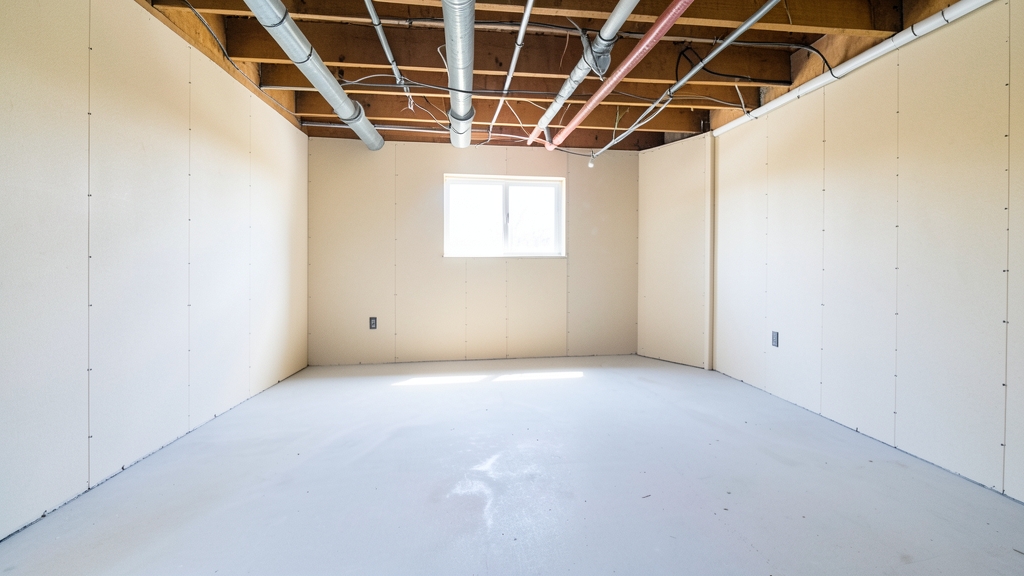
Foley’s warm, humid climate creates the perfect breeding ground for mold. While DIY solutions might seem cost-effective, they often miss hidden colonies or fail to address the root moisture issue—leading to recurrence and potential health risks. We’ve seen the aftermath firsthand, and it’s rarely pretty.
The Hidden Nature of Mold in Coastal Alabama
Mold thrives in dark, damp spaces—behind drywall, under flooring, or in crawl spaces. In Foley, high humidity and seasonal storms accelerate growth, often in areas homeowners can’t see or reach.
Surface cleaning with bleach or store-bought sprays only removes visible mold. Spores embedded in porous materials like drywall or insulation continue spreading, unseen, until the problem resurfaces.
Why Bleach Is Not a Mold Remediation Solution
Bleach kills surface mold on non-porous materials like tile or glass, but it doesn’t penetrate porous surfaces. Worse, it can actually feed mold growth in wood or drywall by adding moisture.
Professional-grade antimicrobials are designed to break down mold at the root, not just discolor it. They’re also safer for indoor air quality, unlike bleach fumes.
| Factor | Bleach | Professional Antimicrobials |
|---|---|---|
| Effectiveness on Porous Surfaces | Poor (surface-only) | High (penetrates deep) |
| Moisture Impact | Increases moisture (can worsen mold) | Neutral or drying |
| Safety for Indoor Air | Harsh fumes, toxic residues | Low-VOC, safer for occupants |
| Long-Term Prevention | None (mold often returns) | Helps inhibit regrowth |
The Risk of Cross-Contamination During DIY Removal
Disturbing mold without proper containment releases spores into the air. In Foley’s breezy conditions, these spores can spread to previously clean areas, including HVAC systems.
Professionals use negative air pressure and HEPA filtration to trap spores during removal. Without this, you risk turning a small problem into a home-wide infestation.
Inhaling mold spores can trigger allergies, asthma, or respiratory infections. Some molds, like Stachybotrys (black mold), produce mycotoxins that pose serious health risks.
Moisture Control: The Step Most DIYers Skip
Mold removal without fixing the moisture source is like treating a symptom, not the disease. In Foley, common culprits include poor ventilation, leaky pipes, or storm-related water intrusion.
Our team always starts with a moisture inspection, often using thermal imaging to detect hidden leaks. Solutions might include dehumidifiers, vapor barriers, or improved drainage—especially in crawl spaces common in local homes.
When DIY Mold Removal Can Work (And When It Can’t)
For very small, surface-level mold (less than 10 square feet) on non-porous materials, DIY cleaning with proper PPE and antimicrobials *might* suffice. But this is rare in our humid climate.
Any mold in HVAC systems, attics, crawl spaces, or after water damage requires professional remediation. These areas often harbor hidden growth that DIY methods can’t address.
Signs You Need Professional Mold Remediation
- Mold covers more than 10 square feet
- Mold returns after cleaning
- Musty odors persist without visible mold
- Recent water damage (e.g., from storms or leaks)
- Mold in HVAC, attics, or crawl spaces
- Health symptoms (e.g., respiratory issues) worsen indoors
The Cost of Cutting Corners: Long-Term Damage
DIY failures often lead to structural damage—rotting wood, compromised drywall, or even foundation issues in severe cases. In coastal areas like Gulf Shores or Orange Beach, salt air can exacerbate deterioration.
Insurance may deny claims if mold results from improper DIY remediation. Professional documentation of the process protects your home and your wallet.
Foley’s older homes, especially in neighborhoods like Magnolia Springs or near the Intracoastal Waterway, often have poor ventilation. These require tailored moisture control solutions.
Professional Mold Remediation: What to Expect
Our process starts with a thorough inspection and mold testing, including air quality sampling. This identifies the species and extent of the infestation—critical for effective treatment.
Containment barriers isolate the affected area, and HEPA air scrubbers filter spores from the air. We then remove contaminated materials, clean surfaces with antimicrobials, and apply encapsulants to prevent regrowth.
How to Prevent Mold Growth in Humid Climates
Proactive moisture control is your best defense against mold in Foley’s climate.
- 1Control Indoor Humidity
Use dehumidifiers to keep indoor humidity below 50%. Focus on basements, crawl spaces, and bathrooms—common problem areas in local homes.
- 2Improve Ventilation
Install exhaust fans in kitchens and bathrooms. Ensure attics and crawl spaces have proper airflow to prevent condensation buildup.
- 3Inspect for Leaks Regularly
Check pipes, roofs, and windows for leaks, especially after heavy rains or storms. In Foley, even minor leaks can lead to major mold issues.
- 4Use Mold-Resistant Materials
For renovations, opt for mold-resistant drywall, paint, and insulation—particularly in moisture-prone areas like basements or laundry rooms.
- 5Clean and Dry Water Damage Immediately
Any water intrusion (from leaks, spills, or flooding) must be dried within 24-48 hours to prevent mold growth. Use fans and dehumidifiers to speed up drying.
- 6Schedule Professional Inspections
Annual mold inspections, especially in older homes or after water events, can catch problems early. We serve Foley, Robertsdale, Loxley, and beyond.
Frequently Asked Questions
Can I use vinegar to kill mold in my Foley home?
Vinegar can kill some surface mold, but it’s not a reliable long-term solution—especially for porous materials. It also doesn’t address the underlying moisture issue. For persistent or large-scale mold, professional remediation is safer and more effective.
How do I know if my mold problem is serious?
If mold covers more than 10 square feet, returns after cleaning, or you notice a musty odor, it’s likely serious. Health symptoms like coughing, headaches, or skin irritation can also indicate a harmful infestation. Request a quote for a professional assessment.
Is black mold more dangerous than other types?
Black mold (Stachybotrys) can produce mycotoxins that pose health risks, but all mold should be treated seriously. The color alone doesn’t determine toxicity—professional testing identifies the species and potential hazards.
Why is mold more common in Foley than in drier areas?
Foley’s subtropical climate, with high humidity and frequent rainfall, creates ideal conditions for mold growth. Poor ventilation in older homes and storm-related water damage also contribute to higher mold prevalence.
Do I need to leave my home during mold remediation?
For small, contained projects, you may not need to relocate. However, large infestations or those involving toxic mold may require temporary evacuation for safety. Our team will advise you based on the scope of work.
Can mold come back after professional remediation?
If the moisture source isn’t addressed, mold can return. Professional remediation includes fixing leaks, improving ventilation, and applying preventive treatments. We also offer moisture control solutions to minimize recurrence.